NUG Blockade of Fuel Tankers in Kalay Sparks Civilian Crisis and Public Outcry
 TZP News
THE ZOLAND POST — March 19, 2026
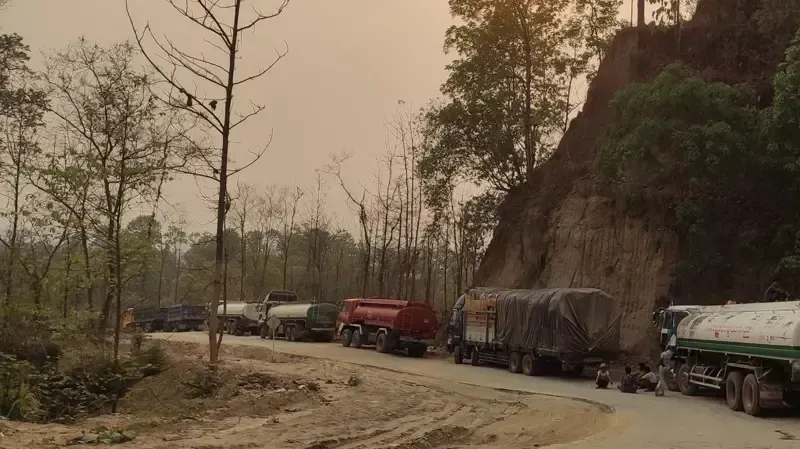
The National Unity Government (NUG) has reportedly halted the entry of fuel tankers into Kalay, a strategic hub in the Sagaing Region, triggering a sharp spike in local energy prices and mounting frustration among the civilian population. While resistance authorities justify the blockade as a tactical necessity to disrupt the military junta’s logistical and combat capabilities, the immediate fallout has placed an immense economic burden on local residents.
The restriction has effectively paralyzed the regional fuel supply, leading to a scarcity that has sent costs skyrocketing. Beyond the economic impact, the move has ignited a debate over the ethics of revolutionary strategy. Local voices have expressed deep concerns, questioning whether the embargo is a genuine attempt to starve the regime of resources or a form of internal coercion.
A particularly contentious point among residents involves allegations that resistance-aligned authorities collected transit taxes from the tankers before subsequently barring their entry. This perceived inconsistency has drawn significant criticism, with many arguing that the policy disproportionately harms the very populace the NUG seeks to liberate.
As fuel becomes a luxury in Kalay, the daily survival of thousands hangs in the balance, highlighting the growing friction between military objectives and civilian welfare. The developing situation underscores the urgent need for a more nuanced approach to governance in conflict-affected zones where the line between disrupting the enemy and alienating the public remains dangerously thin.